
how to file bankruptcy without a lawyer
how to file bankruptcy without a lawyer Are you considering filing for bankruptcy and wondering if you need a lawyer? Many people explore this topic to understand if they can navigate bankruptcy on their own to save on costs and simplify the process. This article will help you gain a...

- 1. how to file bankruptcy without a lawyer
- 1.1. Table of Contents
- 1.2. Overview
- 1.3. Why This Topic Matters
- 1.4. How the Process Works
- 1.5. Common Red Flags or Misunderstandings
- 1.6. Costs, Risks, or Practical Considerations
- 1.7. When Professional Help May Be Needed
- 1.8. How to Protect Yourself or Make Informed Decisions
- 1.9. Final Thoughts
how to file bankruptcy without a lawyer
Are you considering filing for bankruptcy and wondering if you need a lawyer? Many people explore this topic to understand if they can navigate bankruptcy on their own to save on costs and simplify the process. This article will help you gain a clear understanding of what generally is involved in filing bankruptcy without legal representation, how the basic process works, important considerations, and how to make informed decisions while protecting your interests—all without offering any legal advice.
Table of Contents
- Overview
- Why This Topic Matters
- How the Process Works
- Common Red Flags or Misunderstandings
- Costs, Risks, or Practical Considerations (if applicable)
- When Professional Help May Be Needed
- How to Protect Yourself or Make Informed Decisions
- Final Thoughts
Overview
Bankruptcy is a legal process that helps individuals and businesses eliminate or repay debts under the protection of federal bankruptcy courts. While legal counsel is not strictly required to file for bankruptcy, navigating the system solo is a path some people consider. Generally, this approach, known as filing “pro se,” involves completing detailed forms, managing document submissions, and following court procedures without assistance from a bankruptcy attorney.
Why This Topic Matters
Filing for bankruptcy is a major financial decision with potential long-term impacts. People often search for ways to manage the process themselves to reduce attorney fees or because they prefer direct involvement. Understanding the path to filing bankruptcy without a lawyer can help you recognize both the possibilities and the complexities involved, making you better equipped to weigh your options and avoid common misunderstandings.

How the Process Works
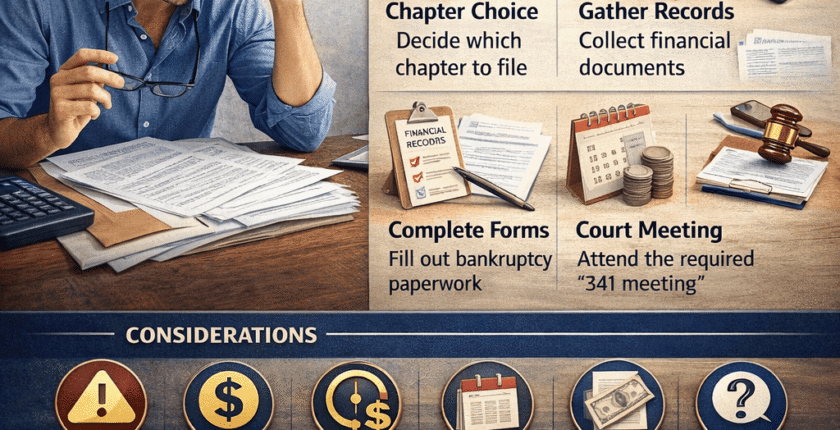
In many cases, individuals start by determining which bankruptcy chapter might apply to their situation, such as Chapter 7 or Chapter 13. Generally, the steps include gathering financial records, completing official bankruptcy forms, attending credit counseling, and submitting paperwork to the appropriate bankruptcy court. For example, someone struggling with debt might gather pay stubs, tax returns, and creditor lists, complete a means test, and attend a court meeting (the “341 meeting”) where creditors can ask questions. Each step requires accuracy and attention to deadlines, which can vary by state and court.
Common Red Flags or Misunderstandings
There are several widespread misconceptions about self-filing bankruptcy. For instance, some believe the process is purely paperwork, but in reality, missing a detail or misreporting assets can lead to delays or dismissals. Hypothetically, someone might think that filing a form late is harmless, when in fact, this can result in their case being dismissed. Additionally, many underestimate the responsibilities involved, such as proper notification of all creditors and following local court rules.
Costs, Risks, or Practical Considerations
While you may save on attorney fees by filing bankruptcy without legal representation, you are still responsible for court filing fees and counseling costs. For example, a hypothetical filer may pay a standard filing fee, credit counseling course fee, and photocopying expenses. Risks include making errors that could jeopardize the bankruptcy—such as failing to disclose all assets or debts—which may have serious consequences. Research and preparation are critical to help avoid costly mistakes and unnecessary delays.
When Professional Help May Be Needed
The bankruptcy process can be complex, especially for those with substantial assets, business interests, or unique financial circumstances. In many cases, people might begin on their own but later consult a professional if questions arise about their eligibility, the impact on their property, or requirements to attend court hearings. For instance, a hypothetical individual unsure about exempting certain assets or facing objections from creditors may find professional guidance helpful. The decision to consult a lawyer is a personal one, based on the complexity of the case and comfort with legal forms and procedures.
How to Protect Yourself or Make Informed Decisions
To help safeguard your interests, it is generally important to take your time understanding the correct forms, deadlines, and required documentation. Rely on reputable sources such as the U.S. Courts Bankruptcy Basics website for up-to-date information. Double-check that required credit counseling is from an approved provider. Reading educational content, such as articles on the legal services process, can further inform your approach. Making decisions with a solid understanding of the process—rather than acting hastily—can help reduce risks.
Final Thoughts
Navigating bankruptcy on your own can provide some individuals a sense of control and possible cost savings. However, this route generally requires significant effort, close attention to detail, and comfort with complex paperwork and legal language. Carefully considering your unique situation and being aware of common pitfalls can help you make a more informed decision. Remember, this article is for educational purposes only, and the bankruptcy process can vary by state and personal circumstances.
Disclaimer: This article is for general informational purposes only and is not legal advice. For advice based on your specific circumstances, consult a licensed attorney.
| Topic | General Explanation |
|---|---|
| Communication | How lawyers typically communicate with clients |
| Expectations | What clients usually expect versus reality |
| Fees or Process | General information about costs or procedures |